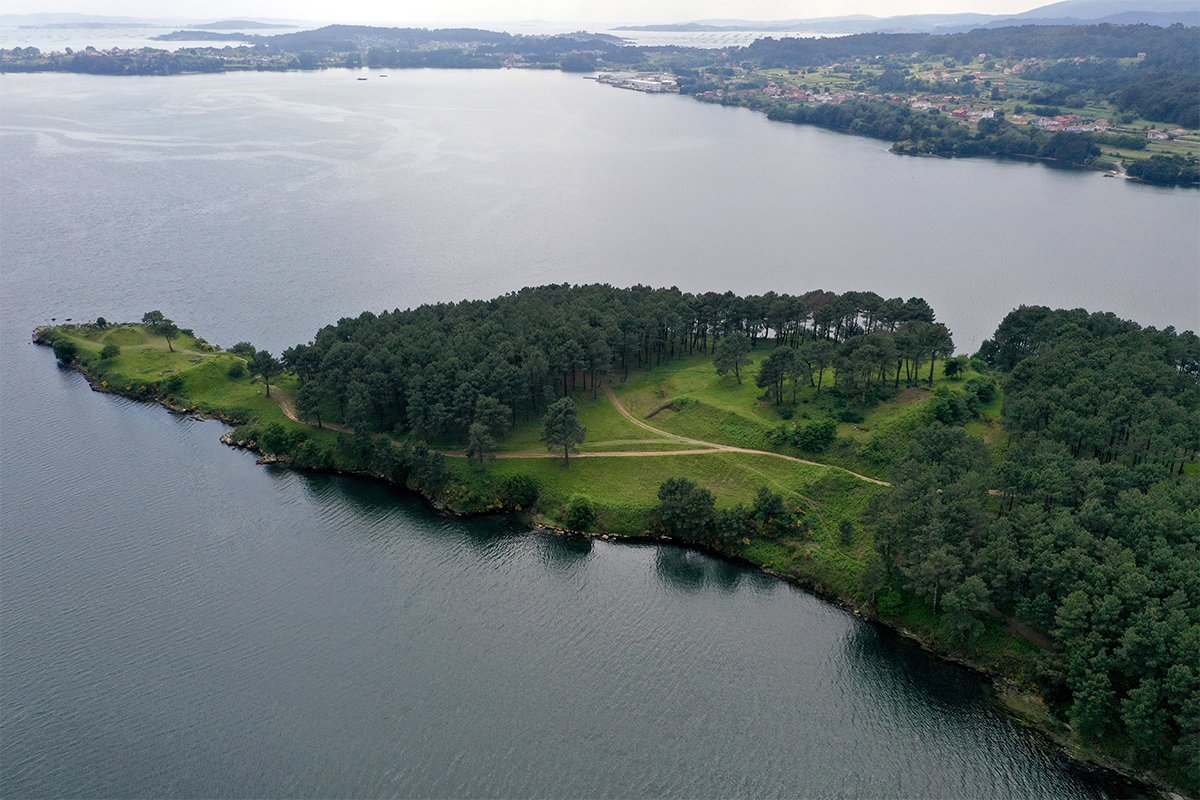
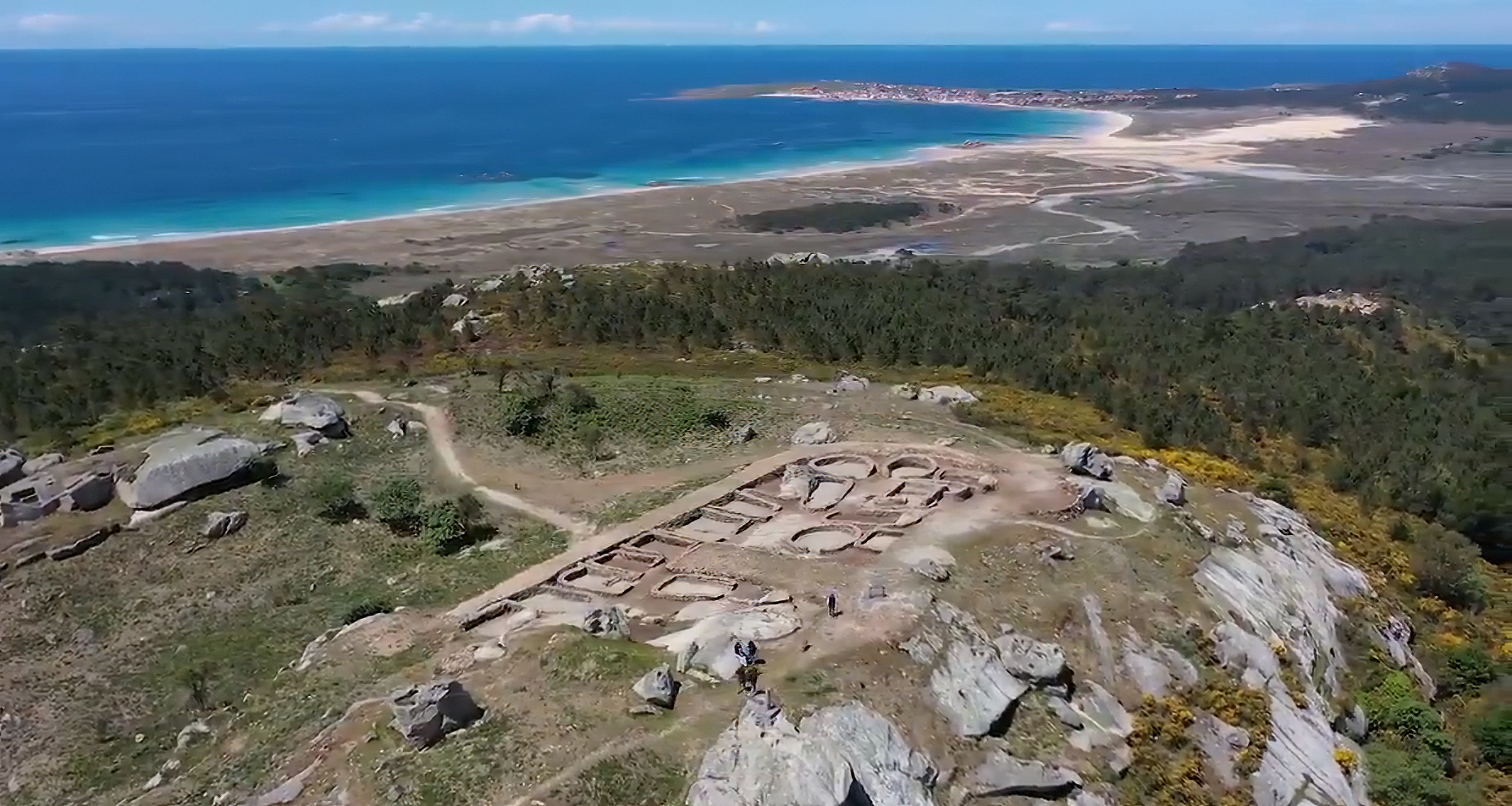
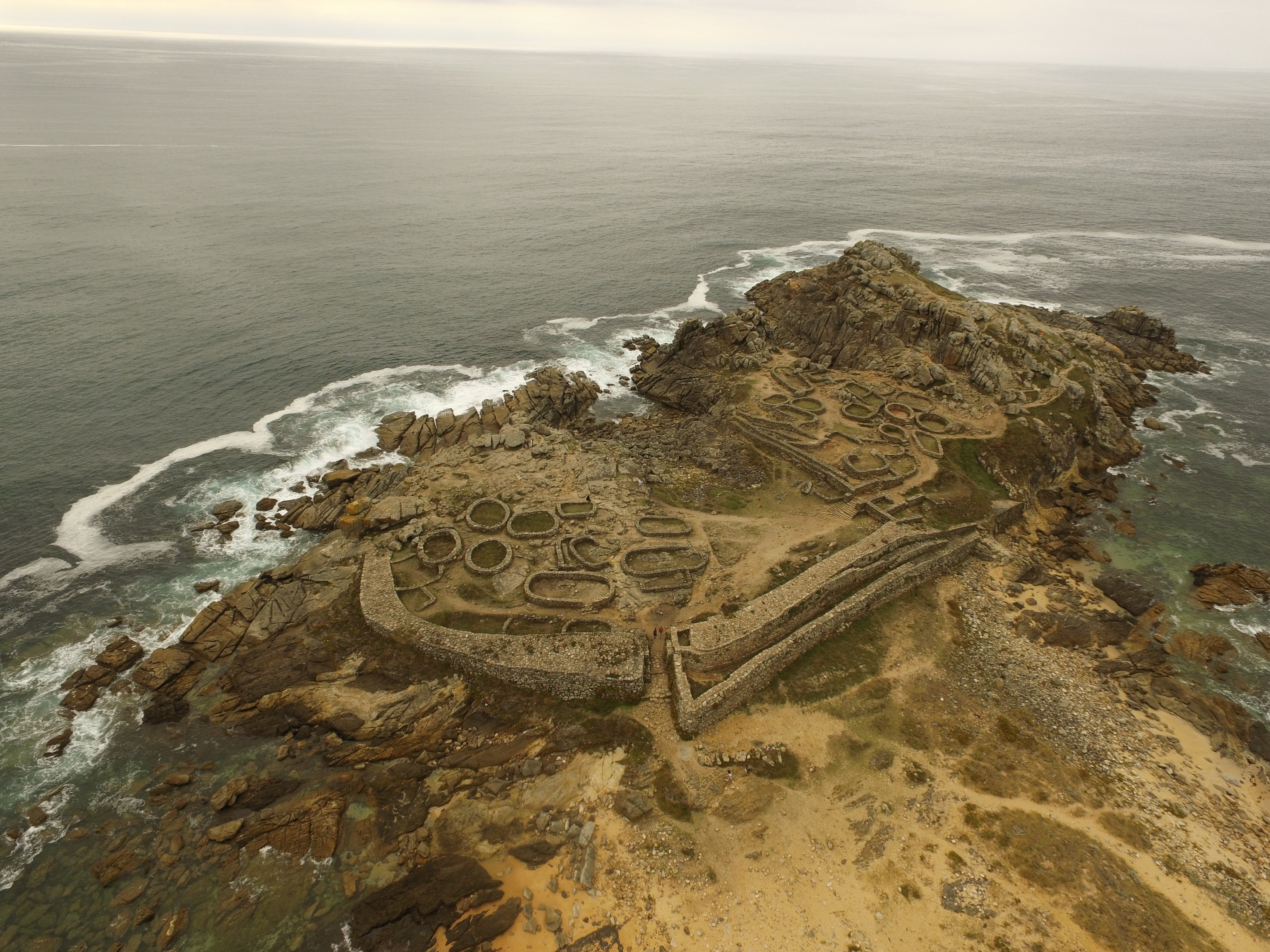
Croa de Posmarcos is not an isolated site. It forms part of a dense network of fortified settlements that, during the Iron Age, systematically occupied the Barbanza massif and its surroundings. This mountainous peninsula, wedged between the rías of Arousa and of Muros and Noia, holds one of the highest densities of hillforts in all of Galicia, a sign of the strategic importance and economic dynamism of the territory more than two thousand years ago.
The hillforts you can visit nearby help us understand how that world worked: the visual control between one and the next, the relationship with the coast and its marine resources, the differences between coastal and inland settlements, the importance of Atlantic trade. Each one contributes a different piece of the same mosaic.
These three hillforts —Neixón, A Cidá and Baroña— are just a selection. The Barbanza and its neighbouring districts boast dozens of documented Castro settlements, many of them still unexcavated, each with its own personality and chronology. Visiting them together helps us grasp something fundamental: hillforts never existed in isolation. Between them there were ties of neighbourhood, competition, kinship and exchange, and their inhabitants moved along paths that today we can barely guess at.
If you wish to delve deeper, the academic bibliography on Gallaecian hillforts is vast and keeps growing with every new excavation campaign, and many of these sites have information points and interpretative panels at their own accesses.