

2025 Test-pit campaign
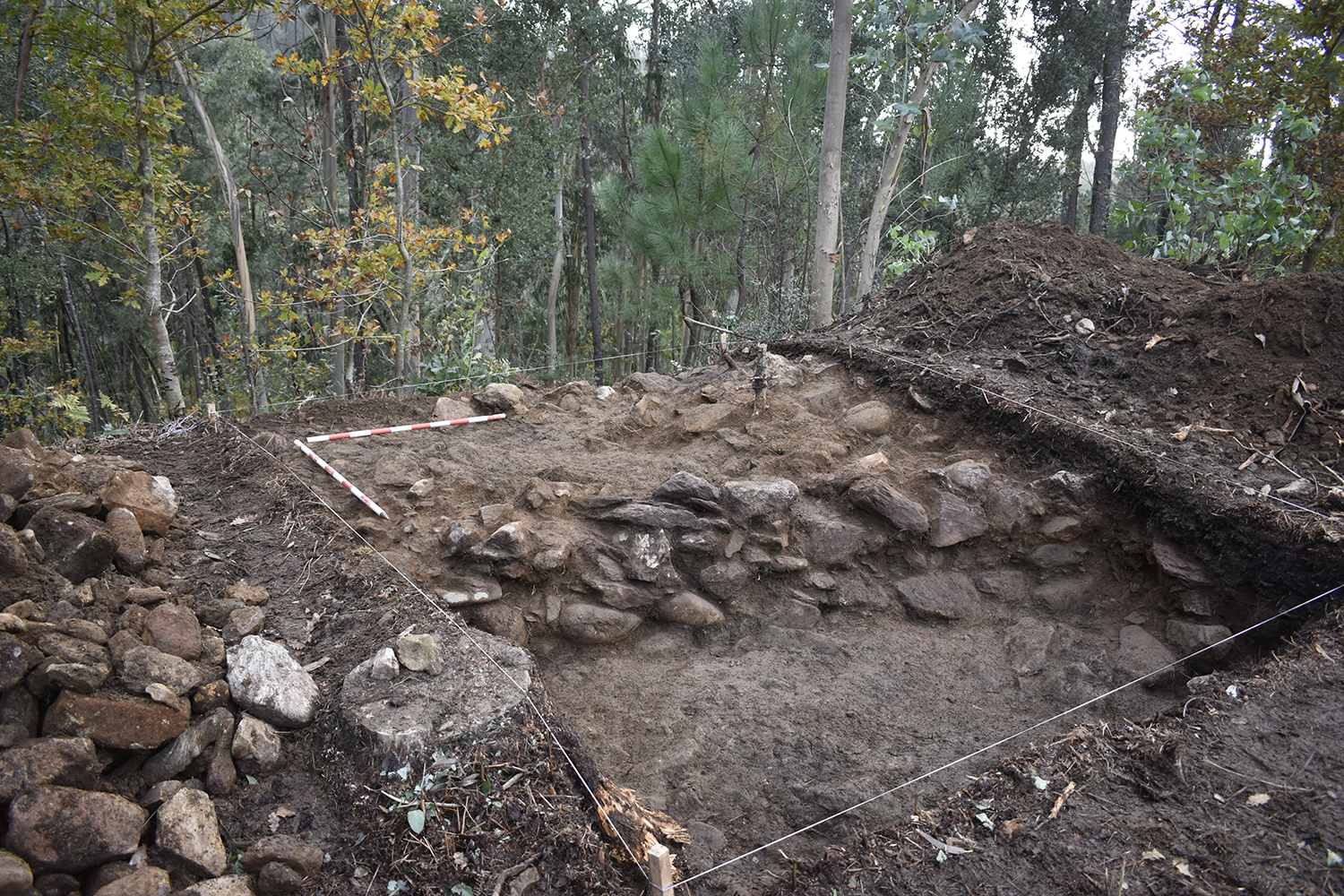
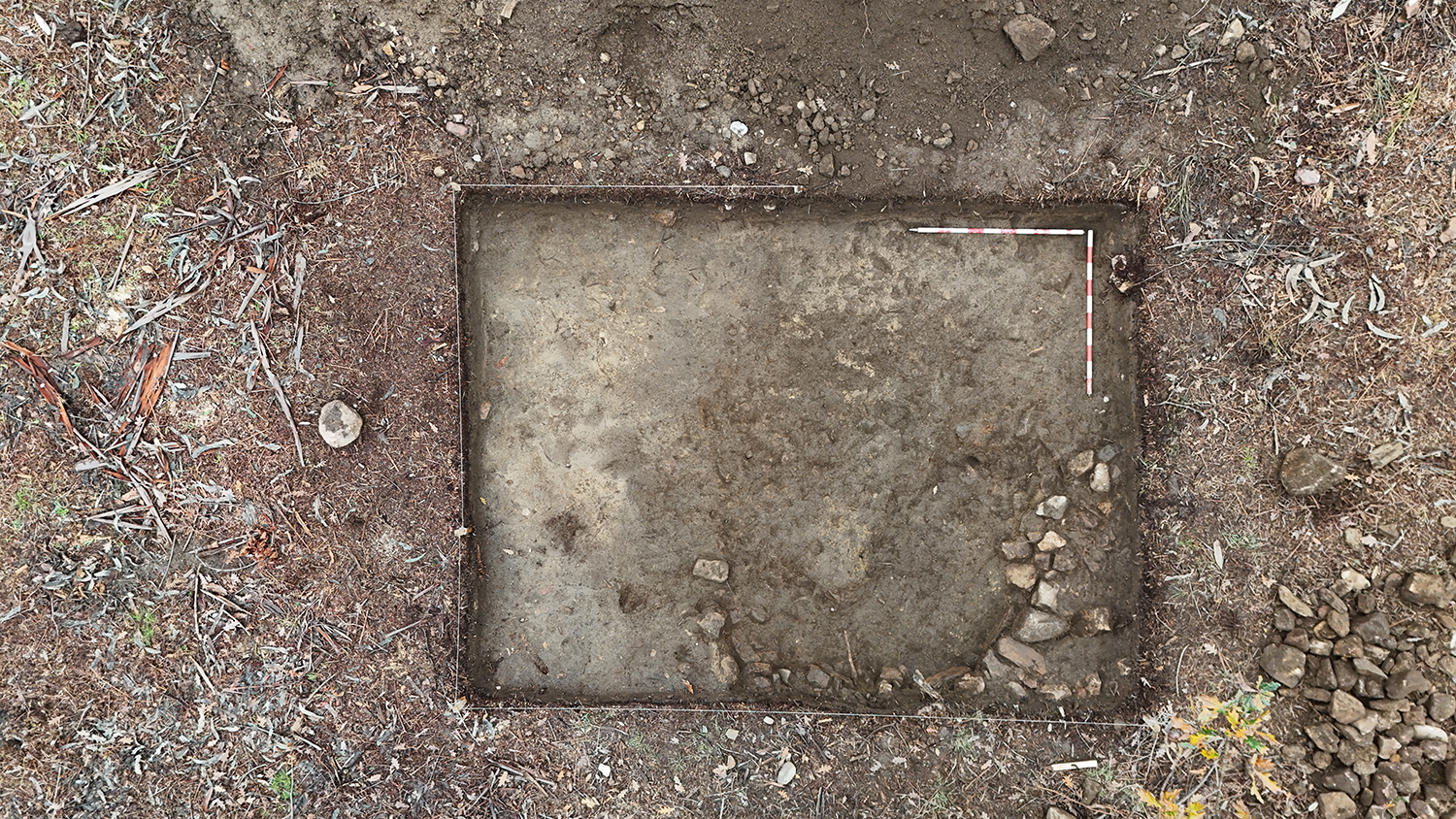
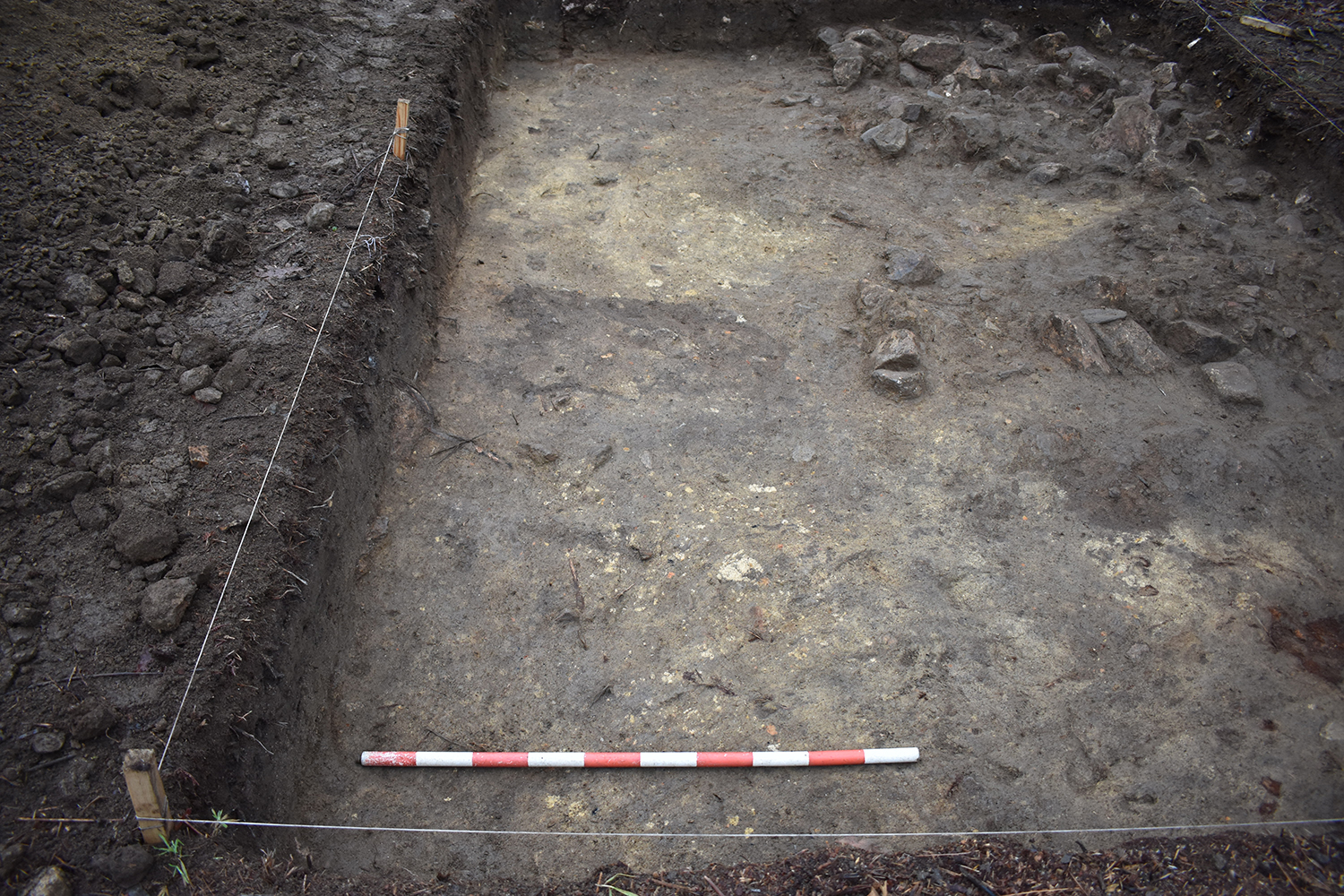
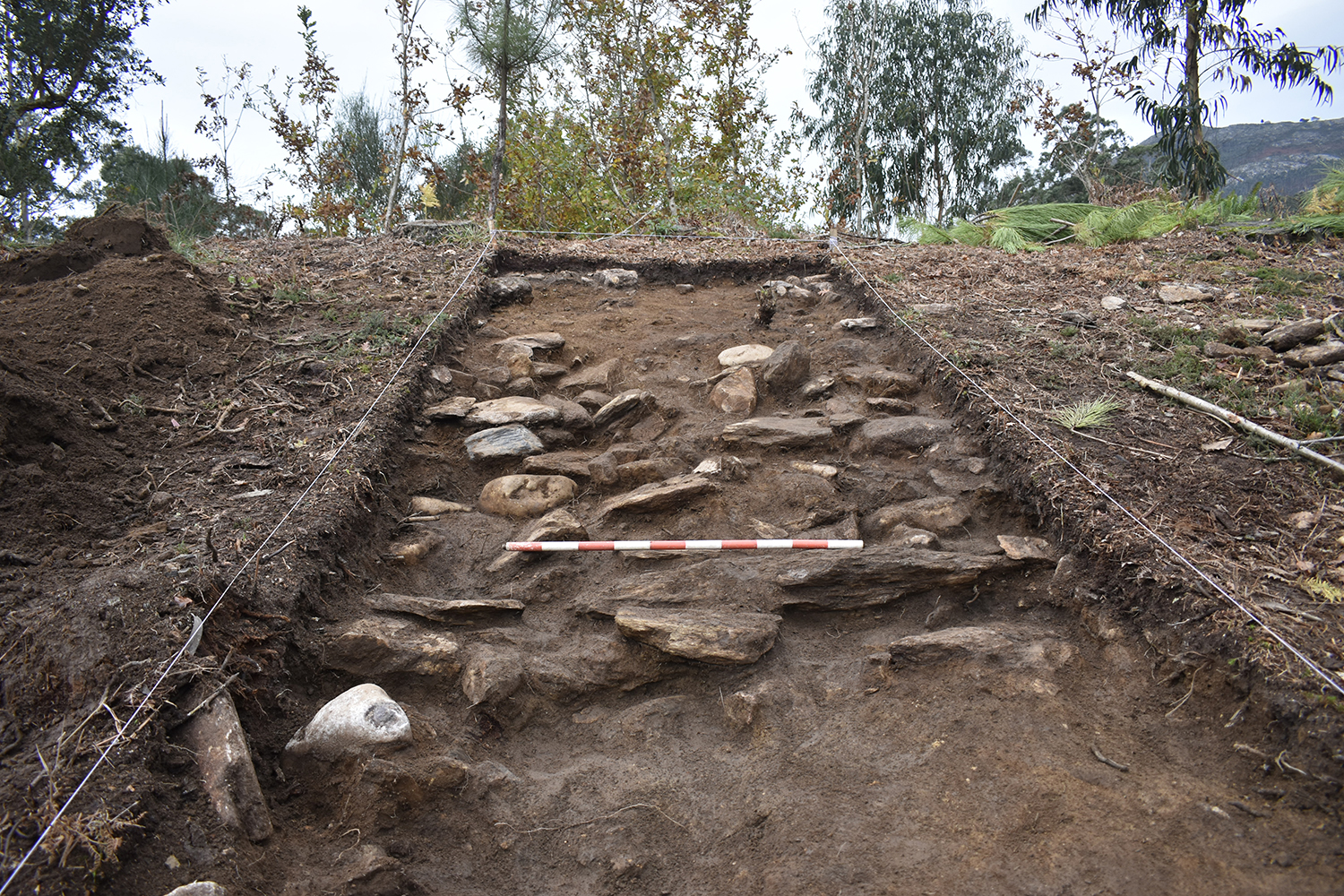
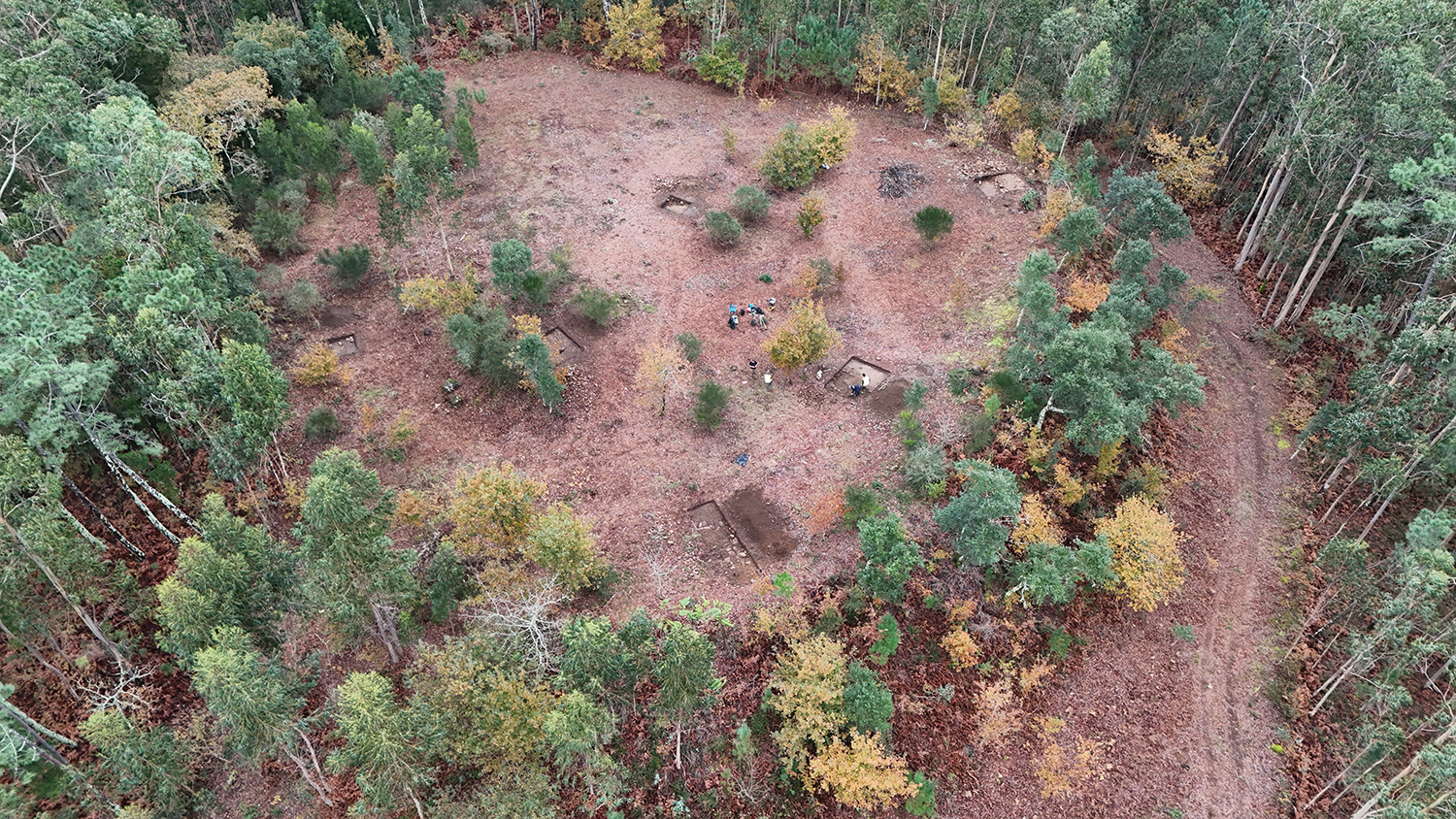
In 2025 a new chapter opened for Croa de Posmarcos. For the first time, a systematic archaeological intervention peered into what the hillfort keeps hidden beneath the grass and the pines. The aim was not to excavate the whole site —that is a task of decades—, but to carry out what archaeologists call a test-pit campaign: opening several surgical windows at strategic points to understand the site's stratigraphy, assess its state of preservation and, above all, begin to write its biography.
Six test pits were laid out across the different areas of the hillfort, each designed to answer a different question. The result is a first portrait, necessarily incomplete but already very revealing, of a site that until now we knew more by intuition than by evidence.
What we were looking for
The fundamental question was simple: from what period is this, really? Hillforts are tricky sites, because Castro material culture has a very long duration and the same pottery types can appear over several centuries. For that reason the test pits aimed, beyond the structures themselves, to gather datable material that would allow the occupation of the Croa to be situated with chronological precision.
What we found
The existence of a wall of classic Castro-culture architecture was confirmed, a combustion structure was documented —probably a domestic hearth— associated with rubefied daub, and one hundred fragments of archaeological material were recovered. It is not a spectacular figure, but it is a highly significant one: within that assemblage, key pieces appeared, such as a Toralla-type jug, a Vigo-type pot and fragments of a Haltern 70 amphora. Each of these materials is a chronological and cultural indicator of the first order, and together they outline a site fully integrated into the Castro network of the Rías Baixas, with occupation concentrated between the 3rd and 1st centuries BC and a later, more residual Roman presence.
A hillfort in the Rías Baixas network
One of the most interesting conclusions of the campaign concerns the cultural affiliation of the site. The combination of pottery types —Toralla jug, Vigo-type pot, storage jar with raised flange rim— clearly points to the pottery-producing areas of the Rías Baixas coastline, not to the more northerly Ártabra region. This means that Croa de Posmarcos was, during the Iron Age, a node in a network of exchanges and cultural kinships that looked southward, to the world of the rías of Arousa, Pontevedra and Vigo, rather than to the coast of A Coruña.
And as in all coastal hillforts of the Gallaecian Atlantic, evidence of long-distance trade also appears. Two fragments of Punic pottery remind us that in the 2nd century BC the hillfort was integrated into pre-Roman Mediterranean networks. Three fragments of Haltern 70 amphorae, dated between the mid-1st century BC and the early 2nd century AD, document the changeover: when the Roman economy replaced the Punic one, Croa de Posmarcos remained there, receiving wine, defrutum and olives from the Guadalquivir valley.
A beginning, not an end
A test-pit campaign does not end a study: it opens one. Every answered question raises three new ones. The dwellings still need to be identified, the real extent of the settlement defined, the occupation phases refined through radiocarbon dating, and the relationship with other hillforts in the surroundings understood. But the 2025 work laid a solid foundation on which all of this can be built in the coming years. Croa has begun to speak.