Oral tradition and community

The parish of San Isidro de Posmarcos and its legends

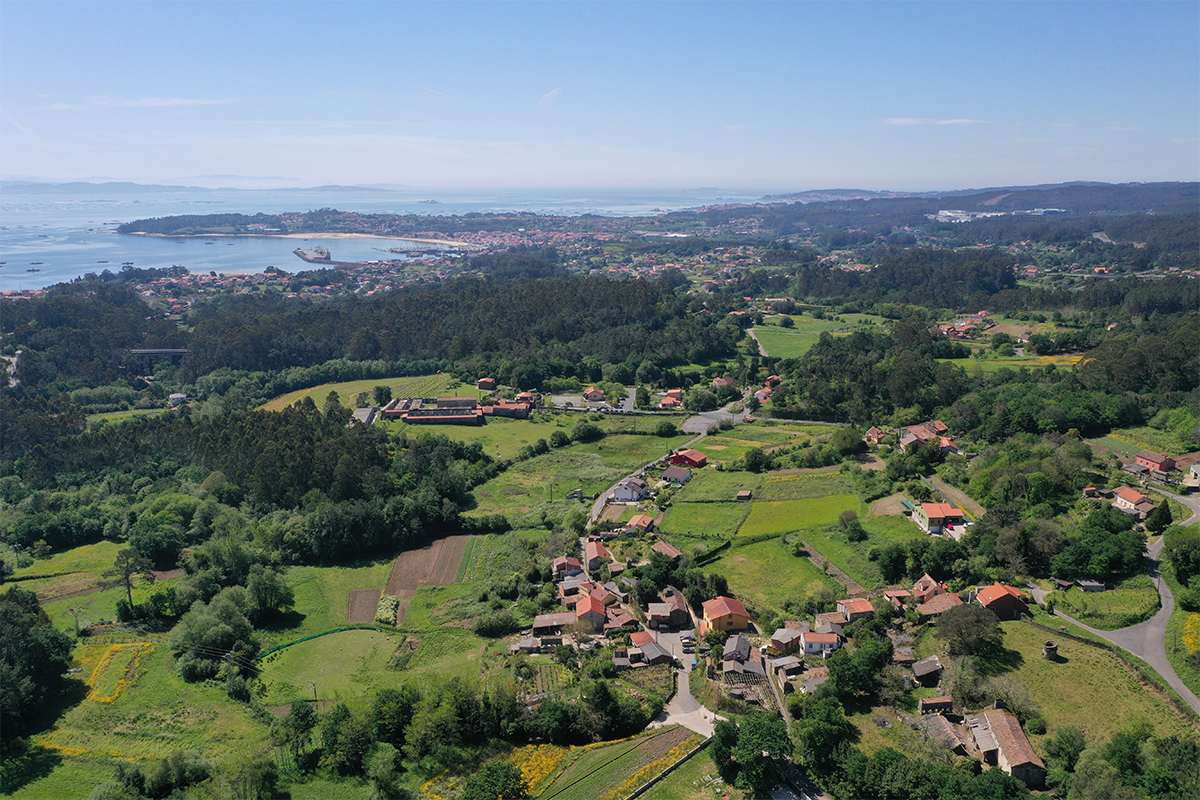
Partial view of the parish of San Isidoro de Posmarcos

A parroquia de San Isidro de Posmarcos

The parish of San Isidoro de Posmarcos is one of the four that make up the municipality of A Pobra do Caramiñal (A Coruña). It is a large parish that combines a stretch of coastline, agrarian spaces and reaches all the way up to the heights of the Barbanza. In the local identity of A Pobra, San Isidoro has always been a farming parish in contrast to the coastal settlements such as the town of A Pobra itself. The parish was historically linked to the monastery of San Martiño Pinario (Santiago de Compostela) and its origins go back to the Early Middle Ages.

Lendas e tradición oral

The moors, the pottery and the Civil War

Croa de Posmarcos is a place rich in legends within the parish. Older people remember that the moors once lived there, but also other peoples. Sometimes they would find fragments of pottery on the croa and, as a mother once told a girl who still remembers it today, after a richly decorated pot appeared: «My child, those people were more than us».

But in the parish people feel a special fondness for the hillfort because of a more recent historical fact: the croa served as a refuge for those fleeing the parish during the Civil War. From the hillfort, the people who had to hide in the first moments of the war, fearing the harsh repression that took place in A Pobra do Caramiñal at the hands of the coup supporters, could watch over the territory and flee if trouble arose. At the same time, the hillfort stood at a comfortable distance from the villages, close enough to remain in touch with loved ones.
Sitios de interese

The parish church
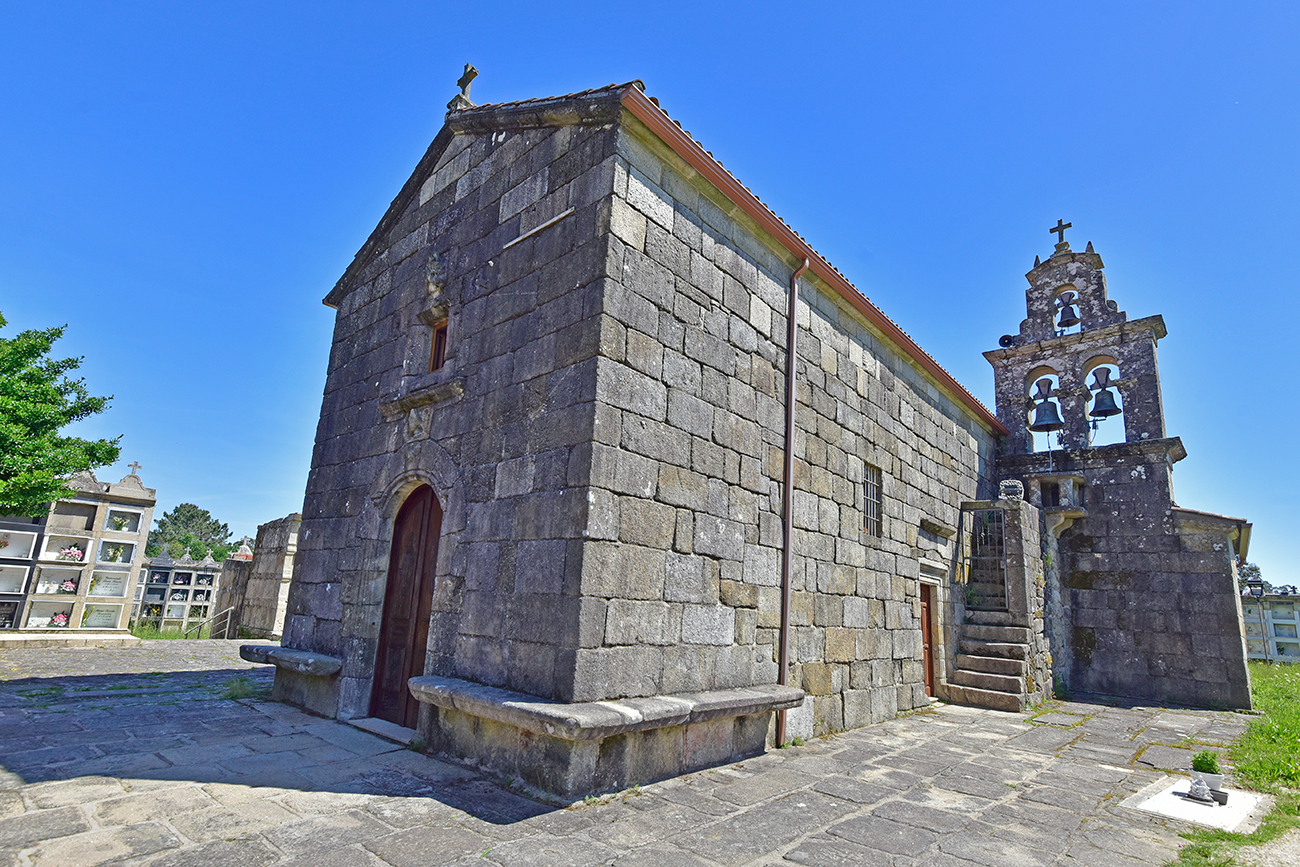
Church of San Isidoro de Posmarcos. Photo: Sole Felloza

The parish church

The current building of the parish church of San Isidoro de Posmarcos has Romanesque origins, although it underwent major refurbishment in the 18th and 19th centuries. Even so, its façade preserves a set of interesting carvings that refer to the parish's link with the Compostelan monastery of San Martiño Pinario. Its location, set apart from the traditional population centres of the parish, suggests a very ancient origin for the church, in keeping with the early medieval references to this territory.

The Pomar tombs
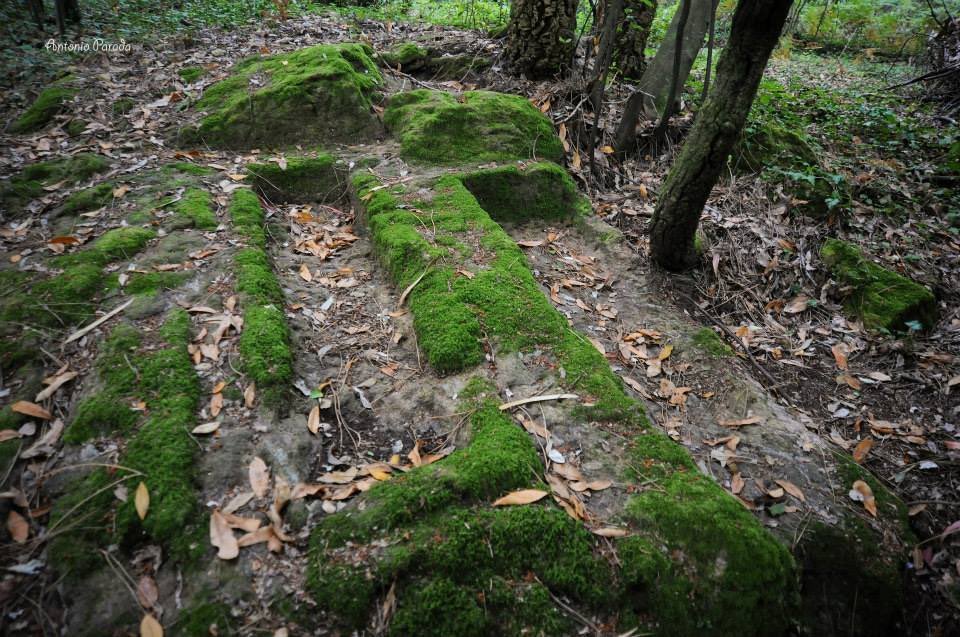
Pomar tombs. Photo: Antonio Parada

The Pomar tombs

On the boundary between the hillside and the farmland, in the middle of the forest, lie the Pomar tombs. These are two sepulchres carved into the natural rock, of which the hollow where the dead were laid is preserved. Tombs of this type were typical of the Early Middle Ages, although it is not possible to pin down their precise dating. They can be reached by following the signs from the centre of the parish.

The stone crosses
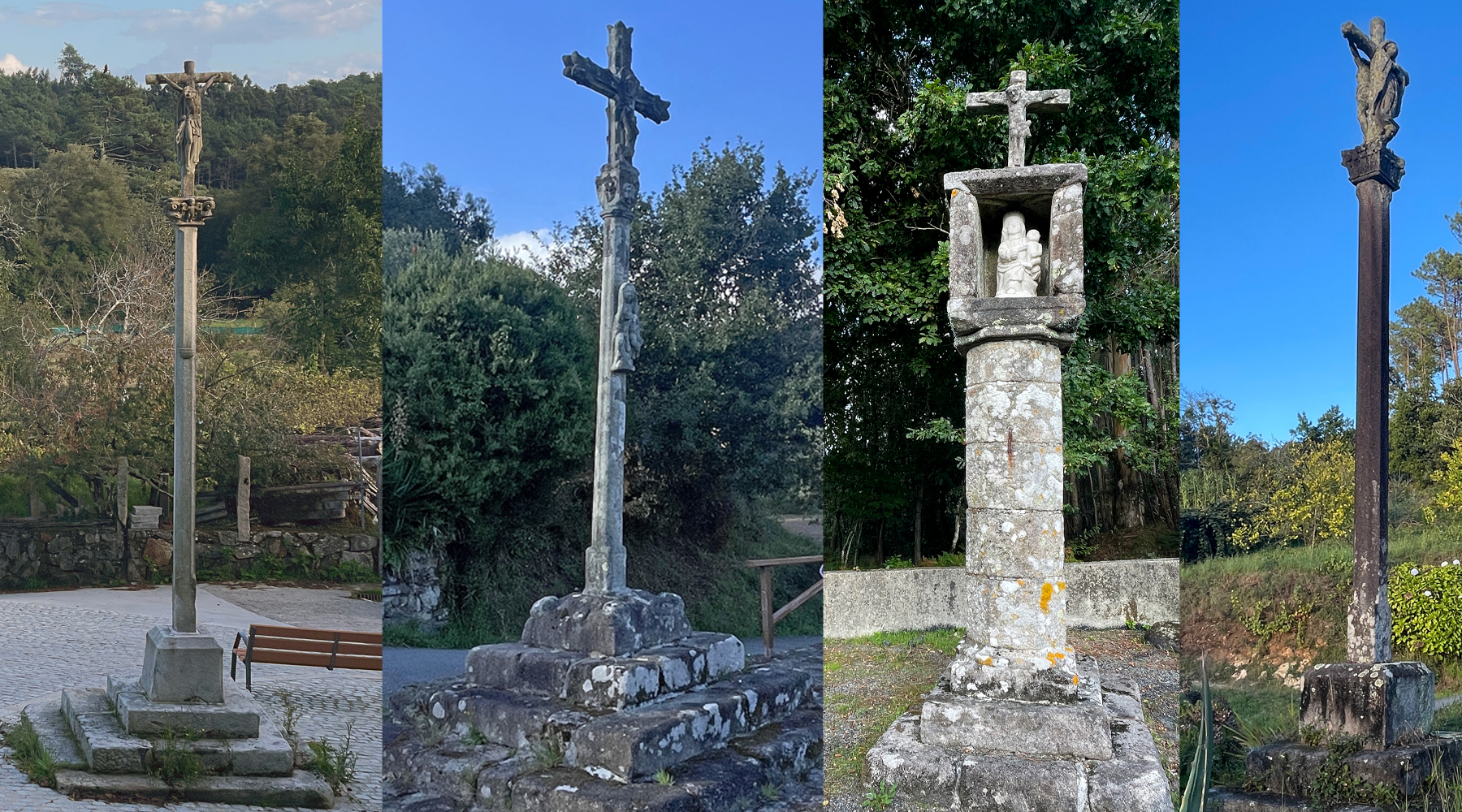
Stone crosses of Abuín, San Isidro (Conga), cruceiro Novo and cruceiro de Pumadiño. Photo: Sole Felloza

The stone crosses

The agrarian wealth of the parish led numerous farming families to commission and build stone crosses of great beauty at the crossroads of the parish. The oldest is the cruceiro Novo (yes, no mistake), but crosses such as the one in Abuín, recently restored, the cruceiro of San Isidro —linked to the legends of the Santa Compaña and the parish's ghosts— or the cruceiro of Pumadiño are some examples of this monumental popular architecture.